Digital History
- Authors

- Topics
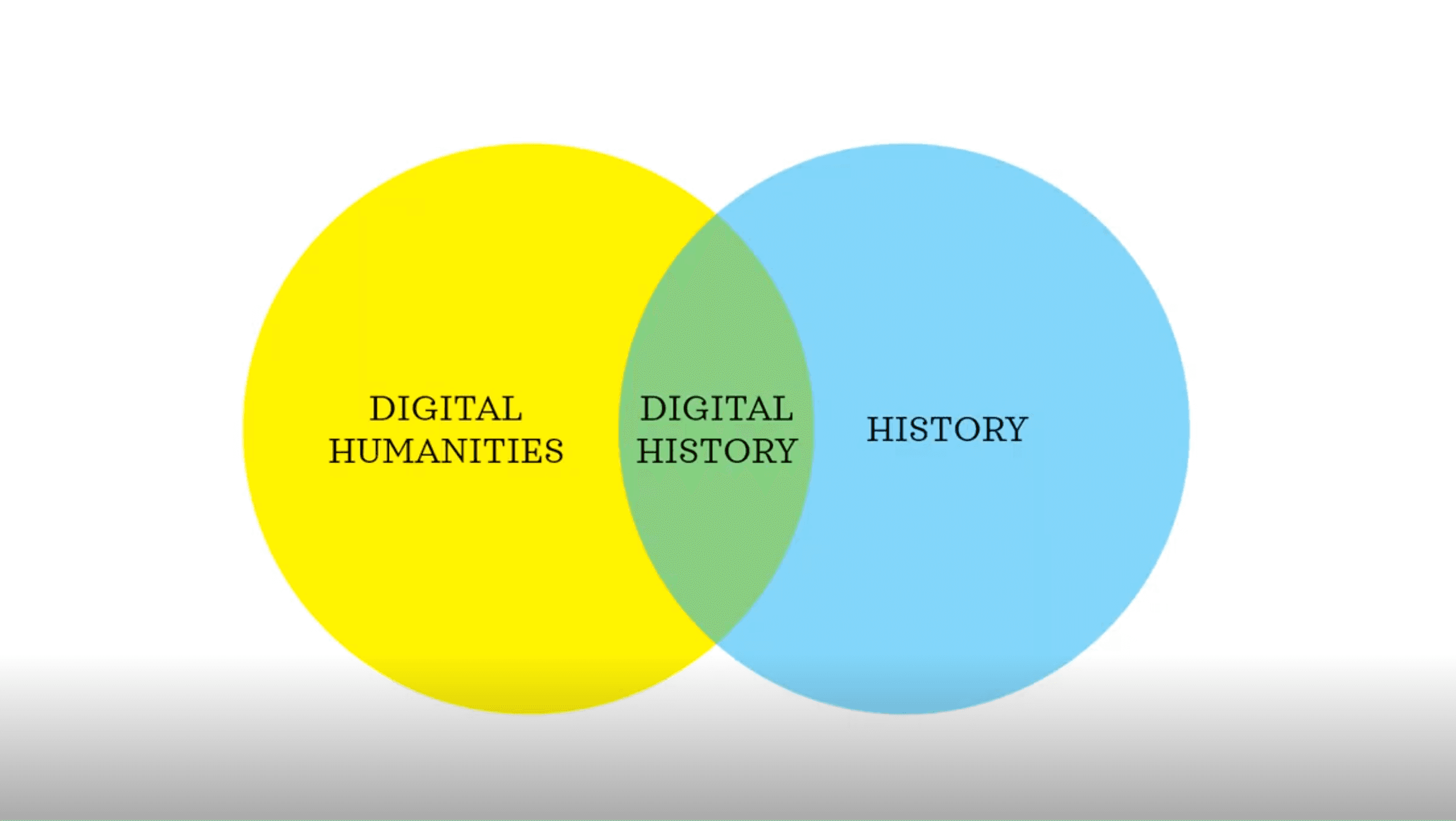
What does “digital history” mean, and how does it differ from the broader field of digital humanities? In this short video, Risto Turunen introduces digital history as an approach that uses computational methods, digital sources, and new media technologies to examine, analyse, and represent the past. Drawing on examples such as the Old Bailey Online and digitised Finnish newspapers from the nineteenth century, the video shows how historians can use computers to identify patterns in large historical datasets that would be impossible to read manually. It also highlights why digital history has become increasingly important today: more sources are available in machine-readable form, open-source tools are easier to access, and everyday computers now have significant processing power.
Risto Turunen is a Post-Doctoral researcher at the University of Jyväskylä, specialising in data-intensive approaches to modern political languages. His PhD “Shades of Red” (2021) handles Finnish socialism applied text mining to historical research.
This introductory video is part of a video library used as teaching resource for BA Course Introduction to Helsinki Digital Humanities and Social Science at the University of Helsinki.
Learning Outcomes
After watching this short video, learners should be able to:
-
Explain what digital history is and distinguish it from the broader field of digital humanities
-
Recognise how computational methods can support historical research
-
Understand why the present moment offers new opportunities for digital historians