
Digital Humanities Research Questions and Methods


Collections of Computer-Mediated Communication
This ‘Collections of Computer-Mediated Communication’ section was written by Darja Fišer, Jakob Lenardič, and edited by Marie Annisius, Nadja Baldszuhn, and Ulrike Wuttke. Note names are listed in alphabetical order and do not indicate level of contribution.
Social Media and its Importance for Cross-Disciplinary Research
With the advent of Web 2.0 there has been an unprecedented surge of user-generated and social media content, such as forums, blogs, tweets, etc. Such content has quickly become a major source of human knowledge and opinion and is considered a catalyst of bottom-up communication practices that, among many other things, contribute towards the democratization of language. As a consequence, we are seeing a growing need for a thorough multidisciplinary understanding of this type of communication, which is significantly shaped by the specific social and technical circumstances in which it is produced: rich in colloquialisms and foreign language elements, non-canonical spelling variants and syntax, as well idiosyncratic abbreviations and neologisms.
An important dimension of communication on social media is that it is highly interactive, reflecting the on-line social networks which build around certain topics, social issues and opinions. In addition to linguistic content, it is heavily shaped by the multimodal content and accompanied by easily accessible and rich (sociodemographic) metadata, which open a wide range of new exciting research opportunities in digital humanities and social sciences, as well as bring about new technical, linguistic and ethical challenges for scholars.
The Role of Research Infrastructures in Social Media Research
A combination of two very important factors, i.e. the growing popularity and importance of social media in society and the low technical barrier to collect social media data, have sparked plenty of corpus collection projects. Data harvesting from user-generated and social media platforms, such as chats, forums, weblogs and tweets, on social networking sites and in wikis, is not only straightforward but is also often facilitated by APIs (Application Programming Interfaces) offered by platform providers directly. However, few of the collected social media corpora have become available to the rest of the research community. The main reason for this is the problematic legal and ethical status of the collected data when distributed as a resource to the scientific community due to copyright issues, personal information issues, and terms of service, which content providers change very frequently, even multiple times in the lifespan of a single corpus collection project.
The second major bottleneck to reusing the social media corpora is that they are developed using heterogeneous technologies, representation formats and annotation schemas. This occurs because this new type of discourse exhibits features that cannot be adequately handled by the standard schemas and tools which have been developed for the representation, annotation and processing of “standard” language, found for instance in newspaper articles or various literary text. This heterogeneity leads to interoperability issues and significantly hinders the reuse of the created resources as well as comparability of the research results.
With the support of research infrastructures such as CLARIN and DARIAH in projects like ChatCorpus2CLARIN, the barriers with the legal issues and compliance with the standards are being lowered systematically, which will allow researchers to combine, merge and connect resources as well as increase the sustainability and reusability of resources.
Working with Social Media Corpora
Social Media Data as a Research Dataset
Social media corpora have some important characteristics that researchers need to take into account throughout their work. Their most distinguishing characteristic is that social media posts are produced in uncontrolled and unregulated settings by people from different backgrounds (e.g. undergraduate students, politicians), with different motivations (e.g. chatting with friends about a concert, campaigning) and on different technical devices (e.g. smartphones, laptop computers). Many of the posts are published in a highly interactive, instantaneous setting (similar to face-to-face spoken discussions) and include non-verbal elements, such as images or videos, and are rich in new media features, such as emoji, mentions, hyperlinks and hashtags. In addition to post content, metadata about the post (e.g. time of posting, number of favourites or number of retweets) and metadata about the user (e.g. user profile, friends) can be often harvested as well. For this reason, social media corpora are also rich in invaluable (sociodemographic) metadata. To enable data-driven science, social media data should be collected, processed and distributed in accordance with the legal and ethical standards, encoded according to international standards and recommendations, and accompanied with rich and correct annotations and metadata.
Legal and Ethical Issues
When dealing with social media data, especially if they are non-public, data acquisition and dissemination is quite complex. Due to legal concerns, ethical issues and technical demands related to data retrieval and the linking of mixed resources (e.g. linking the content of the posts with the sociodemographic metadata), researchers are increasingly choosing between two options. For smaller collections, they first seek explicit user consent and then share the entire collection, which includes the data, metadata and annotations. This approach has been followed in the DiDi project and the What’s up Switzerland project. In the case of larger collections, for which obtaining user consent from every individual is not feasible, only post IDs are shared, based on which other researchers can obtain the texts and their metadata on their own, provided that the content has not been removed. While this model brings a lot of benefits in terms of controlled and comprehensive data collection on a large scale, it also makes it harder to share the textual annotations along with the text (e.g. lemmas and standardized forms of non-standardly spelled words, as they give a close approximation of the original text). The JANES project, which has followed the latter approach, provides a specialized encoder program that keeps only the annotation differences against the original text, and a decoder that, upon retrieving the original text given its ID, reconstitutes the annotations.
Encoding of Social Media Data
Source files: Social media content obtained through APIs offered by content providers typically come in a light-weight JSON format, which is readable by humans and easy to process by computers. Collaborative content, such as Wikipedia, is available in XML dumps for which parsers already exist. User-generated content harvested from websites in HTML, on the other hand, requires dedicated text and metadata extraction scripts.
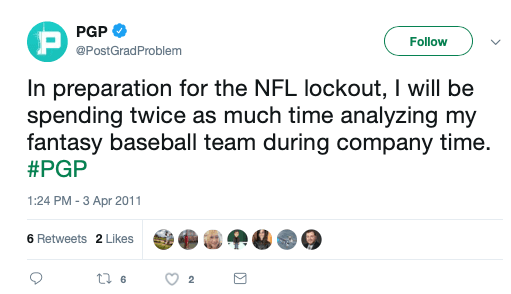
Figure 21a. Original tweet
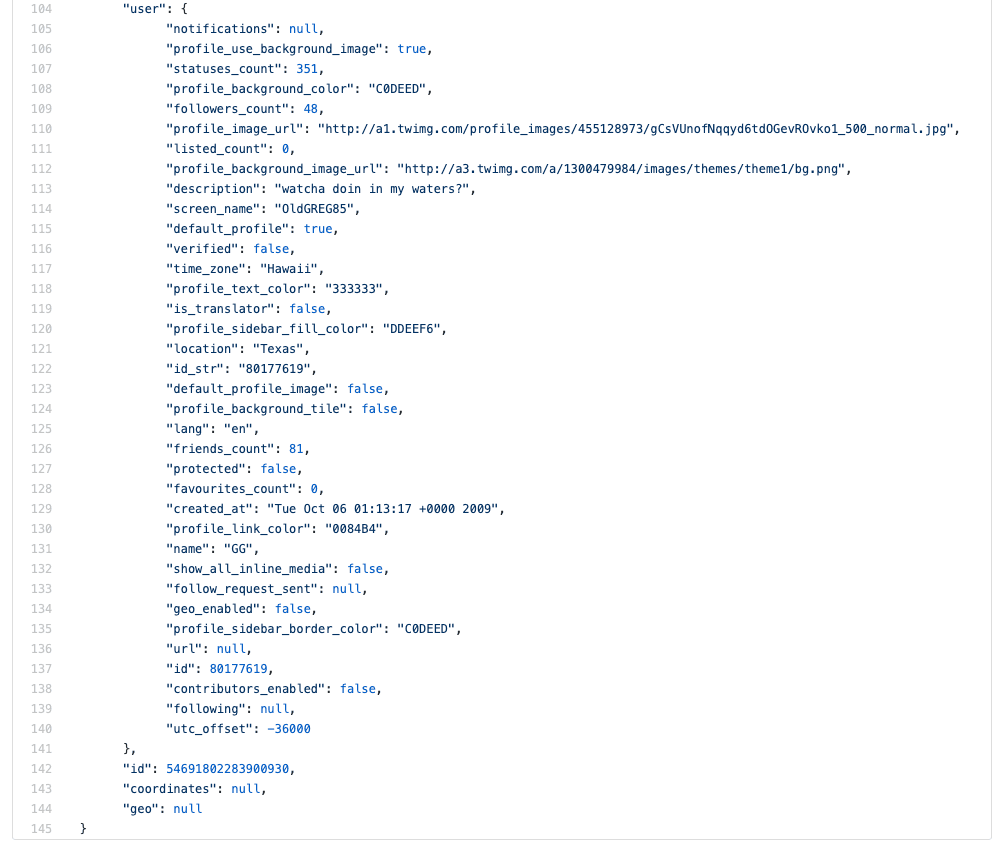
Figure 21b. Tweet in JSON format as obtained from the Twitter streaming API
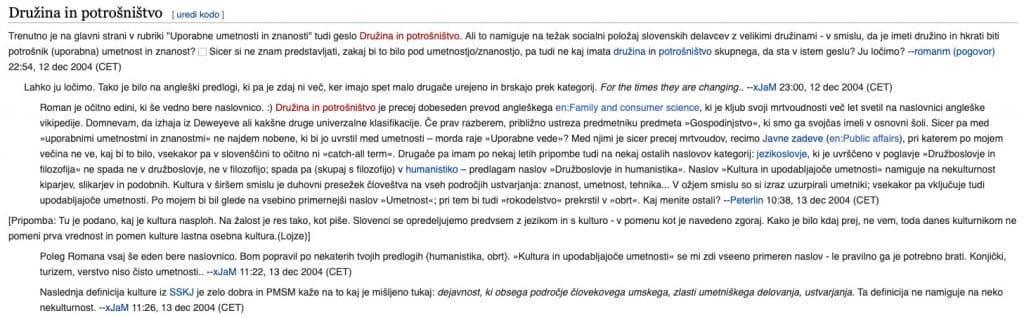
Figure 22a. Original Wikipedia Talk Page.
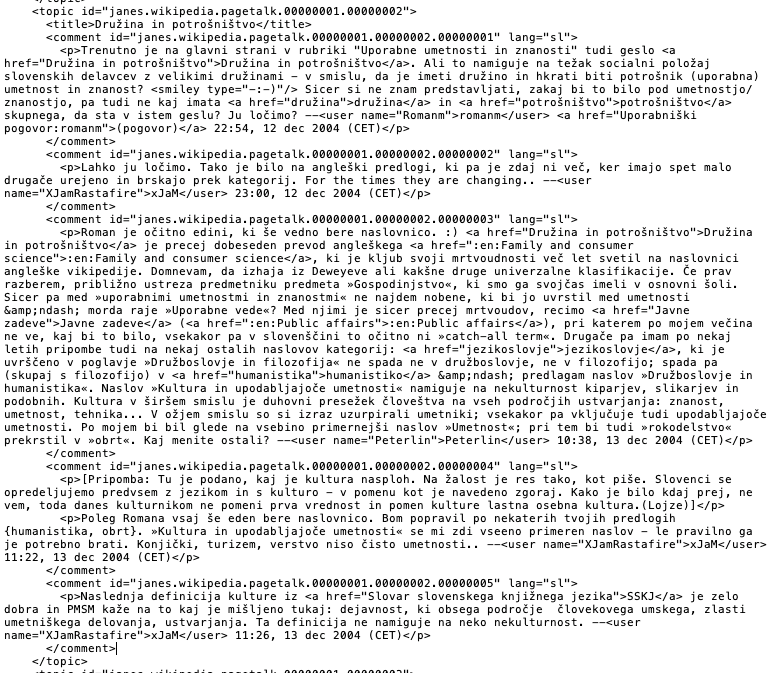
Figure 22b. Example of an original Wikipedia Talk Page and the same page in XML.
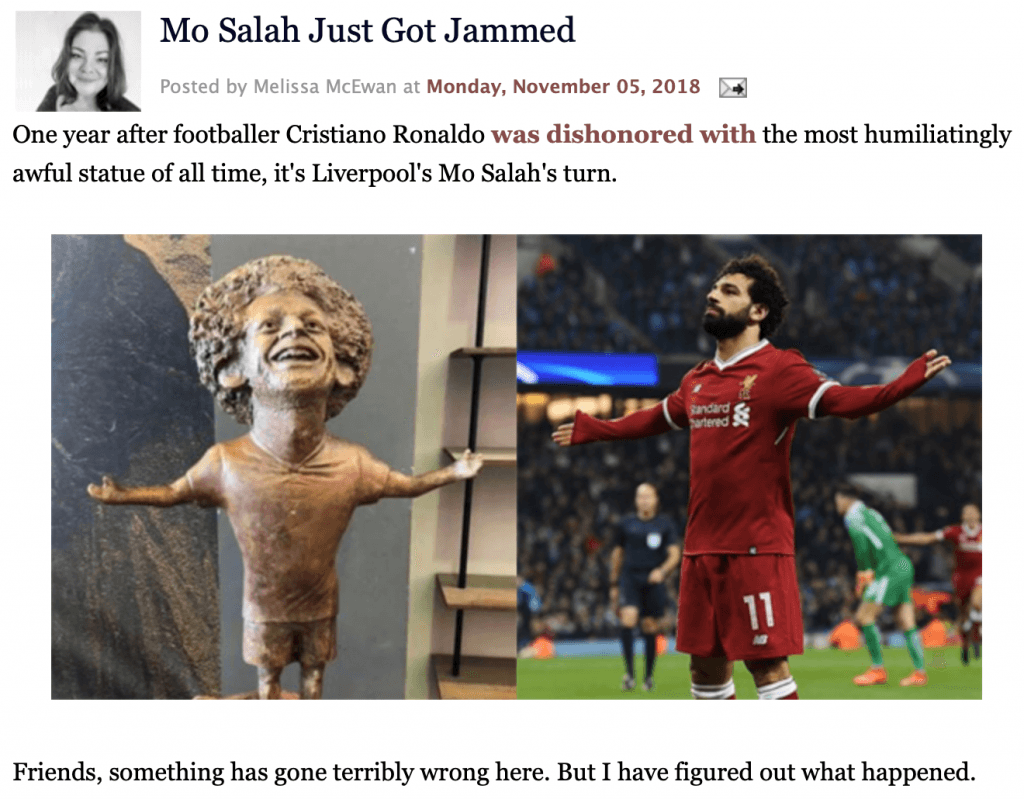
Figure 23a. Original blog post

Figure 23b. Blog post in html
Encoding Standards
No encoding standard has been widely accepted for social media corpora. But there is a special interest group (SIG) on Computer-Mediated Communication in the Text Encoding Initiative (TEI), which is working on extending the TEI framework with additions dedicated to the representation of the structural and linguistic peculiarities of CMC genres. The latest version (Beißwenger et al. 2016) of the proposed schema extends the TEI-P5 guidelines to reflect the following specific properties of the social media genre: new elements (e.g. for a written contribution to a discussion thread), new attributes (e.g. @auto for automatically generated messages) and adaptations of content models (e.g. may occur without the rigid positional constraints as is typical for more traditional texts). Many social media corpora are therefore still encoded in bespoke formats.
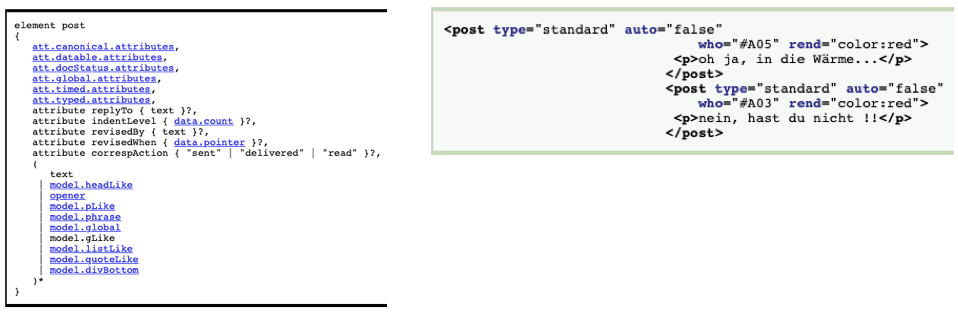
Figure 24. Two different coding languages for the same social media post.
Metadata
Social media data are rich in extralinguistic markup at the post level (e.g. posting time, number of retweets, number of likes) as well as at the user level (e.g. username, location, bio). Some of the metadata are readily available and can be downloaded along with the actual data while other metadata can be inferred from the content of the posts (e.g. user’s gender, post sentiment, post language) or from external knowledge sources (e.g. politician’s party affiliation obtained from official parliamentary databases or from wikipedia, socioeconomic information on the user’s region taken from the national statistical office). The available metadata are invaluable as variables in analyses but can also be used for further filtering of the corpus. Inferring the missing (socio)demographic information about a user, such as gender, age, location, political orientation or even different personality traits, based on the content of their posts and posting dynamics, is called author profiling and is currently a very popular research problem in data mining.
On-line communities are formed based on the users’ common interests and goals. The social network structure is reflected through the follower information, mentions and replies, and is often used in tasks like sentiment analysis or cyberbullying detection.
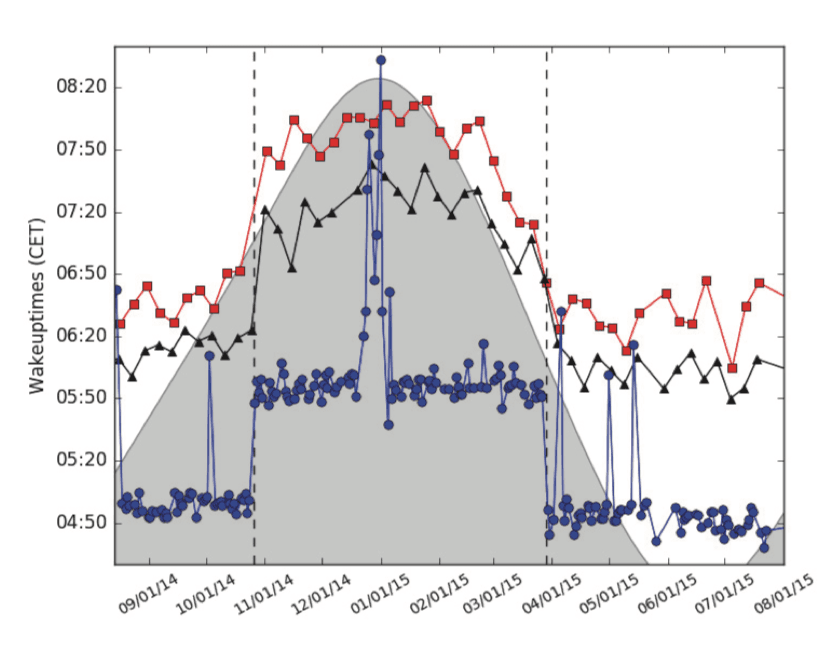
Figure 25. Analysis of the onset of tweeting activity during the week (blue), on Saturday (black) and Sunday (red) of German Twitter users. Vertical dashed lines marks the transition from/to the Daylight Saving Time. Dawn is shown in the grey-white transition
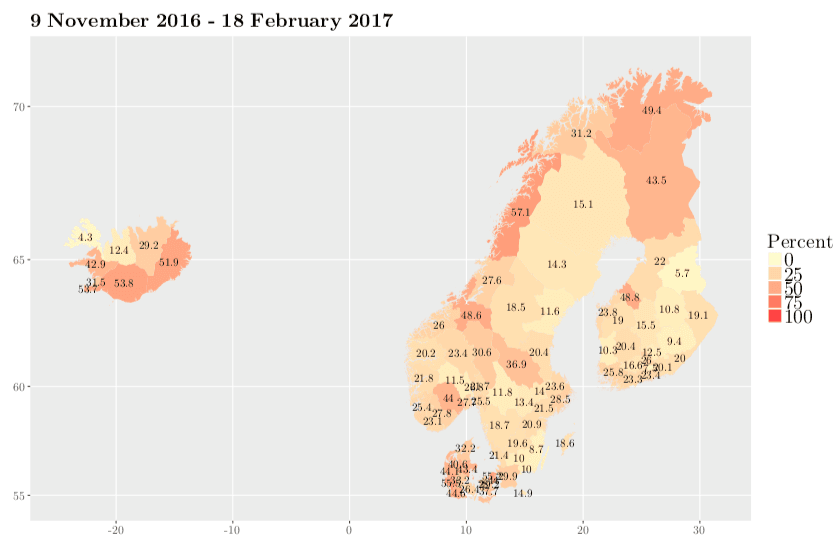
Figure 26. Percentage of gendered tweets according to users’ names posted in English in the Nordic countries
Linguistic Annotations and Text Enrichment
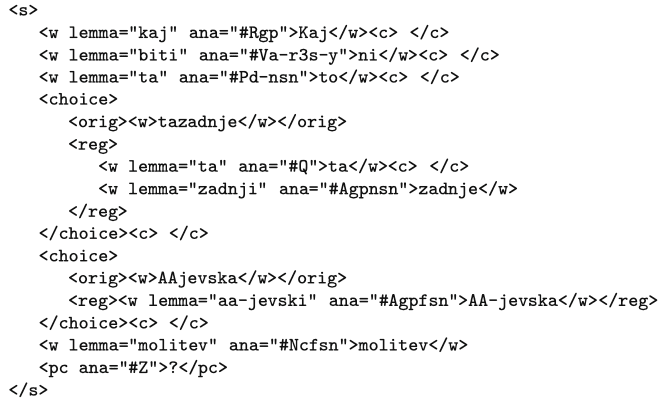
Figure 27. Excerpt of XML specifically following the TEI (Text Encoding Initiative) schema conventions used for linguistic/corpus annotation.
One of the most distinguishing characteristics of social media is the language used in the posts, which frequently considerably deviates from the norm (e.g. missing diacritics, phoneticized spelling, slang words), making even basic linguistic annotations, such as tokenization (marking word boundaries), sentence segmentation (marking sentence boundaries), morphosyntactic tagging (adding information on the part of speech and other morphosyntactic characteristics of each word in the corpus) and lemmatization (providing the base, dictionary forms of the inflected words) very difficult. Social media specific annotation tools therefore need to be trained on hand-annotated social media texts (so called domain adaptation), or the non-standard words need to be standardized before regular annotation tools are applied. This annotation layer, which is also used in historical and spoken corpora, is called normalisation (e.g. tmrw, 2morrow -> tomorrow) and is useful not only for the text processing tools but also for humans, so that they can easily search through all the spelling variants in the corpus.
Similar to parliamentary corpora, social media corpora are also very frequently enriched with the annotations of named entities (names of persons, organizations and places), sentiment (information on whether a speech conveys a positive, negative or neutral attitude about the subject matter) and topics.
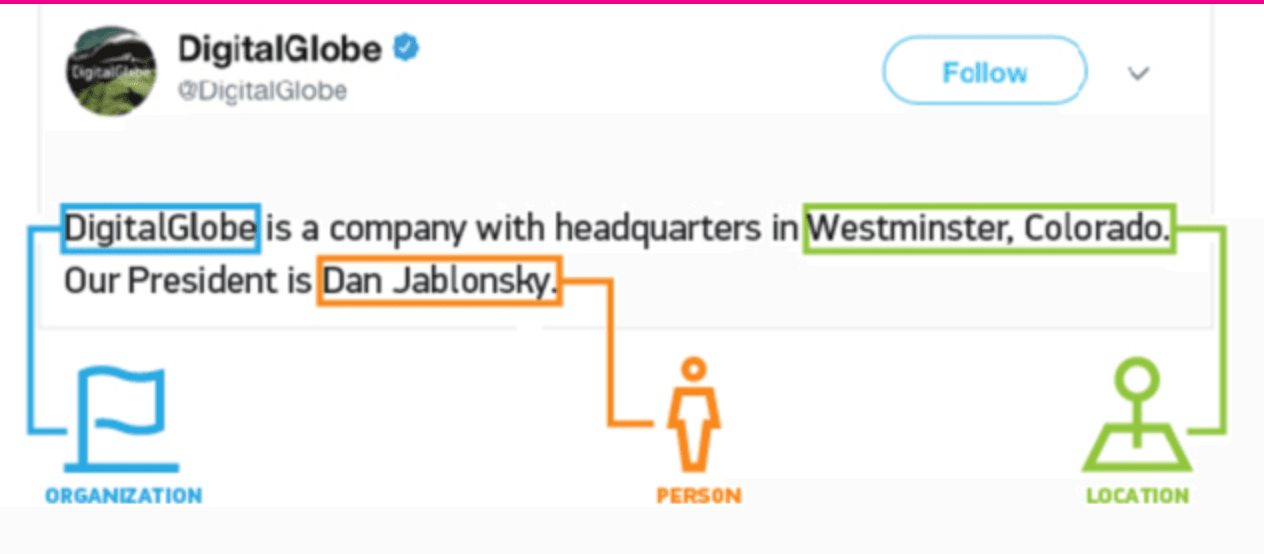
Figure 28. Illustration of named entity recognition in social media corpora.
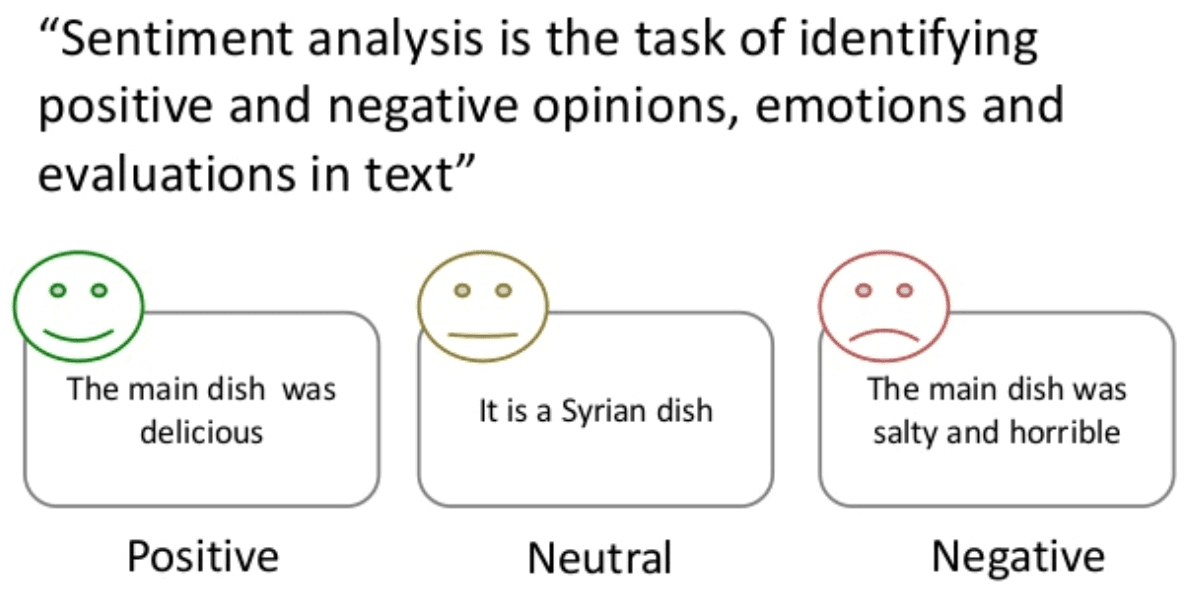
Figure 29. Illustration of sentiment analysis in social media corpora.
Further Learning and Image Credits for ‘Working with Social Media Corpora’ section
Click to expand
Further Learning
- Beißwenger, Michael, Thierry Chanier, Tomaž Erjavec, Darja Fišer, Axel Herold, Nikola Ljubešic, Harald Lüngen et al. “Closing a Gap in the Language Resources Landscape: Groundwork and Best Practices from Projects on Computer-mediated Communication in four European Countries.” In Selected papers from the CLARIN Annual Conference 2016, Aix-en-Provence, 26–28 October 2016, CLARIN Common Language Resources and Technology Infrastructure, no. 136, pp. 1-18. Linköping University Electronic Press, 2017. Link to PDF: http://www.ep.liu.se/ecp/136/001/ecp17136001.pdf
Videos
- CLARIN-PLUS Workshop “Creation and Use of Social Media Resources”, Kaunas 2017: http://videolectures.net/clarinplusworkshop2017_kaunas/
Image Credits:
- Figure 21a is taken from https://twitter.com/PostGradProblem.
- Figure 21b is taken from https://gist.github.com/hrp/900964.
- Figures 22 a & b are taken from https://dumps.wikimedia.org with https://github.com/nljubesi/wikitalk-extractor.
- Figures 23 is taken from http://www.shakesville.com/2018/11/mo-salah-just-got-jammed.html.
- Figure 24 is taken from http://www.chatkorpus.tu-dortmund.de/tei/tei_CMC_CHATCORPUS2CLARIN_SHORT.html#TEI.post.
- Figure 25 is taken from Scheffler et al. (2016). In: Proceedings of the Tenth International AAAI Conference on Web and Social Media (ICWSM 2016) [link to PDF], Figure 4 page 677.
- Figure 26 is taken from Coats et al. (2017). In: Investigating Computer-Mediated Communication: Corpus-based Approaches to Language in the Digital World [link to PDF], Figure 1 page 109.
- Figure 27 is taken from Fišer, Ljubešić, & Erjavec (2018). Lang Resources & Evaluation. https://doi.org/10.1007/s10579-018-9425-z.
- Figure 28 is taken from http://blog.digitalglobe.com/developers/named-entity-recognition-for-twitter/.
- Figure 29 is taken from https://www.slideshare.net/Staano/evaluation-datasets-for-twitter-sentiment-analysis-a-survey-and-a-new-dataset-the-stsgold.